What is a Sustainable City/Community
This can be complicated. Essentially we like the broad definitions provided by the Institute for Sustainable Cities definition. "A sustainable community is one that is economically, environmentally, and socially healthy and resilient. It meets challenges through integrated solutions rather than through fragmented approaches that meet one of the goals at the expense of the others. This requires a long term perspective. One that is focused on both the present and future, beyond the next budget or election cycle."
Sustainable communities manage human, natural and financial resources to meet current needs while ensuring that adequate resources are equitably available for future generations.
A sustainable community seeks:
-A better quality of life for the whole community without compromising the wellbeing of other communities.
-Healthy ecosystems
-Effective governance supported by meaningful and broad-based citizen participation.
-Economic security
For more of the definition provided by the ISC CLICK HERE
Ultimately the bottom line in any sustainable city, region, or hemisphere, is the environment.
URBAN NATURE: How to Foster Biodiversity in World's Cities
YALE environment 360 January 06, 2014
The Biological Basis of RESILIENT CITIES
The Ecologist January 25, 2014
Beyond all of this, many people argue that sustainable development is an oxymoron and some of the links on this page may prove that, but take a look, become informed, become a critical thinker that can help to make a future that works. If you have links that you would like to add to this page contact the publisher at email: [email protected]
Sustainable communities manage human, natural and financial resources to meet current needs while ensuring that adequate resources are equitably available for future generations.
A sustainable community seeks:
-A better quality of life for the whole community without compromising the wellbeing of other communities.
-Healthy ecosystems
-Effective governance supported by meaningful and broad-based citizen participation.
-Economic security
For more of the definition provided by the ISC CLICK HERE
Ultimately the bottom line in any sustainable city, region, or hemisphere, is the environment.
URBAN NATURE: How to Foster Biodiversity in World's Cities
YALE environment 360 January 06, 2014
The Biological Basis of RESILIENT CITIES
The Ecologist January 25, 2014
Beyond all of this, many people argue that sustainable development is an oxymoron and some of the links on this page may prove that, but take a look, become informed, become a critical thinker that can help to make a future that works. If you have links that you would like to add to this page contact the publisher at email: [email protected]
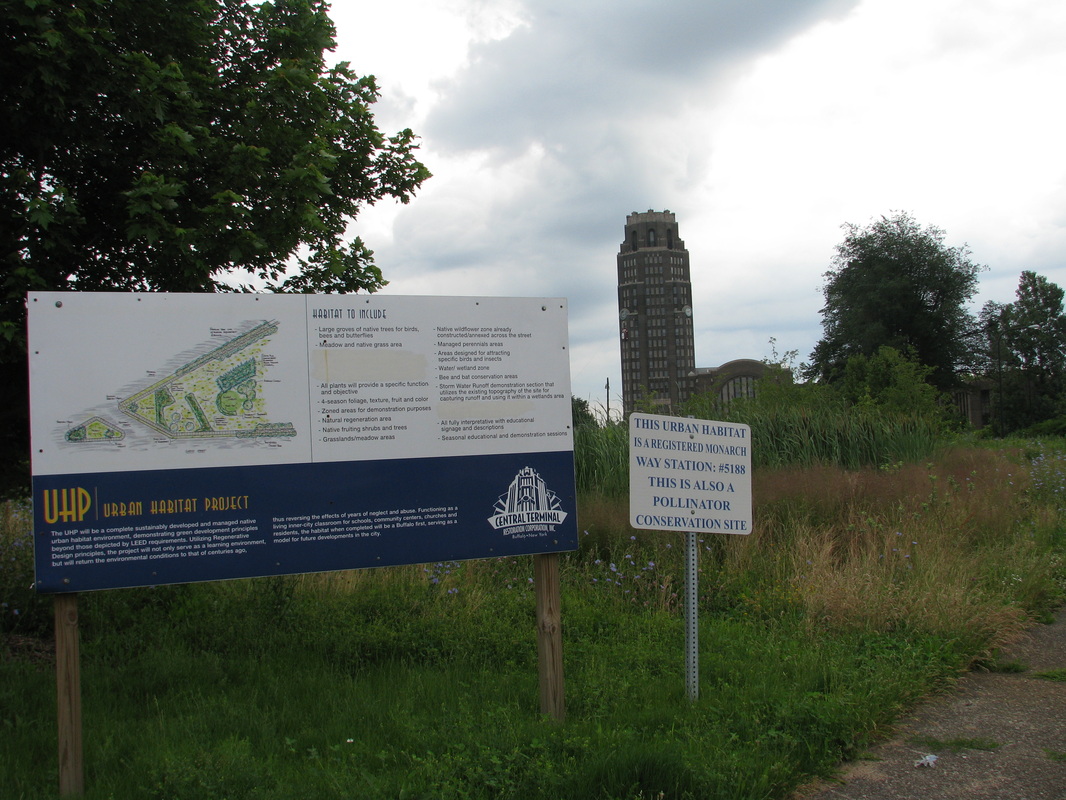
Sustainable Cities Initiatives
The Melbourne Principles
Melbourne Wikipedia
The Johannesburg Declaration
Curatiba, Brazil
The Five Most Sustainable Cities in the World (Ecoimagination)
The Melbourne Principles
Melbourne Wikipedia
The Johannesburg Declaration
Curatiba, Brazil
The Five Most Sustainable Cities in the World (Ecoimagination)
Paul Hawken on Sustainable Cities

From-Sustainlane.com
For most of the 19th and 20th century, cities, despite the hardships and suffering experienced in ghetto, were seen as places where culture an intelligence concentrated and evolved. In the latter part of the 20th century, urban decay, environmentl problem, and ethnic riots created a rush for the exits and rampant urban sprawl. MORE
For most of the 19th and 20th century, cities, despite the hardships and suffering experienced in ghetto, were seen as places where culture an intelligence concentrated and evolved. In the latter part of the 20th century, urban decay, environmentl problem, and ethnic riots created a rush for the exits and rampant urban sprawl. MORE